It's a story we hear every day: "I'm eating 1,200 calories, I'm starving, but the scale won't budge."
If this sounds familiar, **it is not your fault.** Modern research suggests chronic calorie restriction can trigger "Metabolic Adaptation"—your body literally slows down to keep you alive.
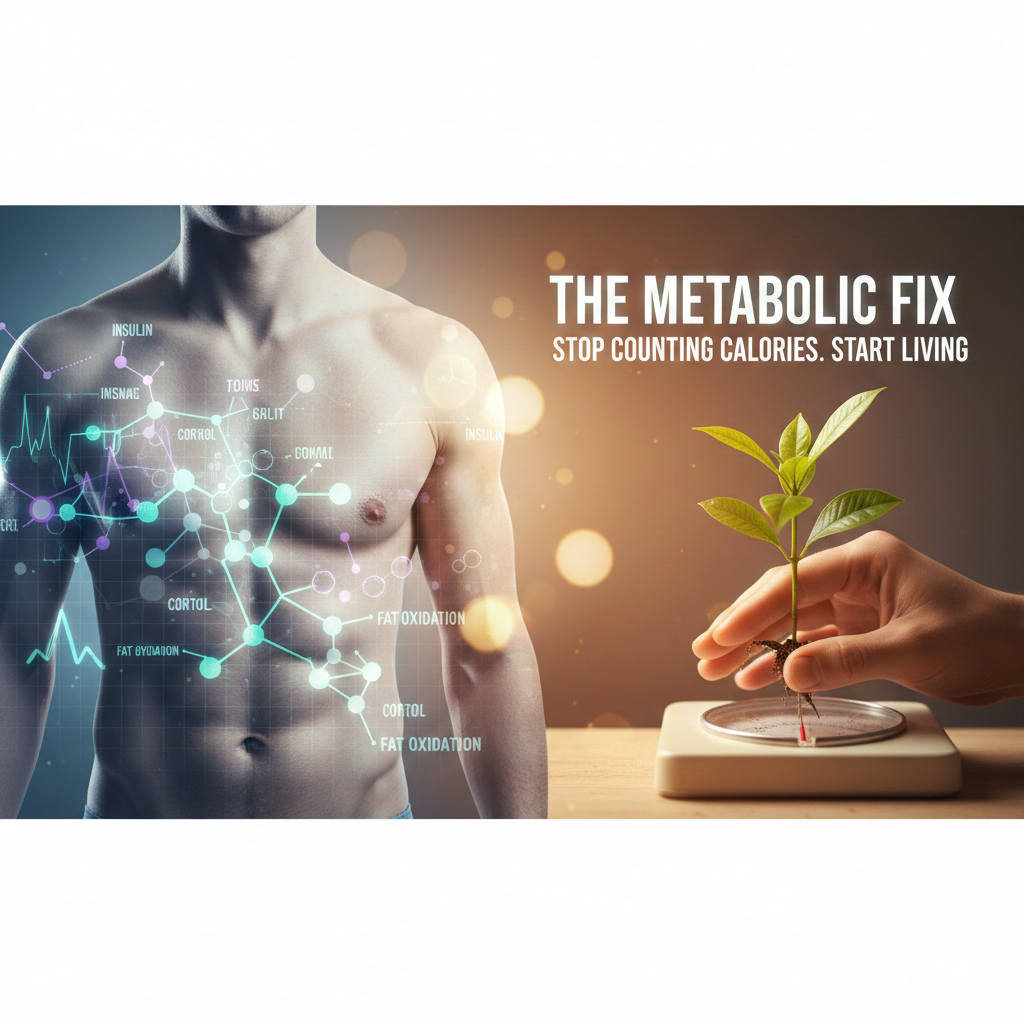
Figure 1: How insulin blocks fat burning.
The Hidden Enemy: Insulin Resistance
Most diets fail because they focus on *calories* (physics), not *hormones* (chemistry).
Every time you eat carbohydrates—even "healthy" ones like oatmeal—your body spikes insulin. Insulin is a **storage hormone**. When insulin is high, fat burning is chemically impossible.
To unlock stubborn fat stores, especially after age 35, you need to switch fuel sources. This state is called **Ketosis**.
How to Measure Your Insulin Resistance at Home
You don't need expensive tests to suspect insulin resistance. Track these 5 simple markers:
- Waist-to-Height Ratio: Divide your waist circumference by your height. If > 0.5, you likely have insulin resistance.
- Skin Changes: Dark patches on neck/armpits (acanthosis nigricans) signal insulin issues.
- Post-Meal Energy Crash: Feeling sleepy 1-2 hours after eating carbs.
- Cravings Timeline: Needing snacks every 2-3 hours indicates blood sugar instability.
- Fasting Blood Sugar: Consistently above 95 mg/dL suggests developing resistance.
The Solution? Customization.
Generic diets don't work because everyone's metabolism is different. Top nutritionists are now using algorithms to build **Custom Keto Plans** tailored to your specific bio-individuality.
3 Steps to "Hack" Your Metabolism
1. Stop Grazing
Eating 6 small meals a day keeps insulin high. Switch to 2-3 nutrient-dense meals.
2. Prioritize Healthy Fats
Fat is the only macronutrient that doesn't spike insulin. Avocados, olive oil, and butter are your friends.
3. Follow a Structured Plan
Guessing your macros leads to "Decision Fatigue" and quitting. Having a plan that tells you exactly what to buy and cook increases success rates by 300%.
Sample 1-Day Metabolic Reset Meal Plan
| Meal | Food | Timing | Purpose |
|---|---|---|---|
| Breakfast | 3 eggs + 1/2 avocado + spinach cooked in coconut oil | Within 1 hour of waking | Stabilize morning cortisol, prevent insulin spike |
| Lunch | Grilled chicken salad with olive oil dressing + nuts | 4-5 hours after breakfast | Sustain energy, continue fat adaptation |
| Dinner | Salmon + roasted broccoli + cauliflower rice | 4-5 hours after lunch | Repair hormones overnight, optimize sleep |
Note: This is a generic example. Individual needs vary based on weight, activity level, and metabolic health.
4. The Silent Regulator: Your Thyroid
The thyroid gland produces hormones that regulate your Basal Metabolic Rate (BMR)—the energy you burn just existing. An underactive thyroid (hypothyroidism) can severely slow your metabolism, leading to fatigue, cold intolerance, and stubborn weight gain, even when dieting. If you suspect metabolic issues, a simple blood test is essential to rule out thyroid dysfunction before changing your diet.
Natural Thyroid Support Nutrients
These nutrients are essential for optimal thyroid function:
- Iodine: Seafood, seaweed, eggs
- Selenium: Brazil nuts, tuna, sardines
- Zinc: Oysters, beef, pumpkin seeds
- Iron: Red meat, spinach, lentils
- Vitamin D: Sunlight, fatty fish, eggs
- Tyrosine: Cheese, turkey, avocados
5. Cortisol and The Stress-Fat Connection
Stress is not just mental; it's physiological. When you're chronically stressed, your body releases **cortisol**. While cortisol is necessary, constantly high levels signal to your body that you are in a survival state. This shifts your body's priority from fat burning to fat storage, particularly around the midsection. Paradoxically, extreme calorie restriction and excessive, long-duration cardio (like two hours on a treadmill) can also increase cortisol, sabotaging weight loss efforts.
5 Science-Backed Ways to Lower Cortisol Naturally
Deep Sleep Protocol
7-9 hours quality sleep, cool room (65°F), complete darkness
Breathing Exercises
4-7-8 breathing: Inhale 4s, hold 7s, exhale 8s (3x daily)
Nature Walks
20-min forest bathing reduces cortisol by 15%
Adaptogenic Herbs
Ashwagandha, Rhodiola help normalize stress response
Frequently Asked Questions
Get Your "Metabolic Reset" Plan
We have partnered with top keto experts to offer a fully customized meal plan generator.
- Tailored to your food preferences
- Optimized for rapid fat loss
- Includes shopping lists
Risk-free trial available today.